
Timber yards have traditionally relied on paper-based processes to manage stock movements, picking, dispatch, production and other day-to-day activities.
Clipboards, handwritten notes, printed pick lists and manual inventory updates have been used for decades. In many businesses, these processes are so familiar that they are simply accepted as part of operating a timber yard.
However, the demands placed on timber businesses are changing.
Customers expect faster answers and more reliable delivery information. Operations are becoming more complex. Labour is increasingly difficult to find, and businesses are under pressure to improve productivity without adding unnecessary administrative work.
As a result, more timber businesses are reconsidering how information moves between the yard and the office.
Instead of relying on paperwork to carry operational information from one department to another, modern timber operations are using purpose-built mobile technology to capture information directly in the yard.
They are moving the office closer to where the work actually happens.
This shift toward connected yard operations was recently explored in our industry magazine feature, which looks at how purpose-built technology is helping timber businesses improve visibility, accuracy and productivity.
The Hidden Cost of Paper-Based Timber Yard Processes
Paper-based processes may appear simple, but they can create significant operational gaps.
In many timber yards, an operator completes a task, records it on paper and then passes that paperwork to someone in the office. The information may not be entered into the business system until later that day, or potentially the following day.
During that delay, the physical timber and the information recorded in the system may no longer match.
A pack may have been moved, picked, processed or loaded, but the system could still show it in its previous location or status.
This creates uncertainty across the business.
Sales teams may believe stock is available when it has already been allocated. Dispatch teams may be working from outdated pick lists. Production managers may not have a clear view of material movements, while office staff spend time tracking down paperwork and correcting discrepancies.
Common challenges associated with paper-based workflows include:
- Delays between yard activity and system updates
- Double handling and repeated data entry
- Outdated inventory information
- Incorrect pack locations or stock statuses
- Picking and dispatch errors
- Increased administration time
- Reduced confidence in operational data
Individually, these issues may appear small. Across hundreds of daily transactions, however, they can quickly become a major source of lost time, avoidable costs and customer frustration.
When Information Moves Slower Than the Timber
One of the biggest limitations of paper-based operations is that information often moves more slowly than the timber itself.
Timber may be unloaded, moved, treated, processed, picked or dispatched long before the relevant paperwork reaches the office.
This means different departments can unknowingly be working from different versions of the truth.
The yard team knows where the timber has physically moved. The office system still shows its previous location. Sales staff may have one understanding of stock availability, while dispatch staff have another.
When information is delayed or fragmented, teams are forced to become reactive.
They spend more time checking stock, confirming pack locations, searching for paperwork and resolving problems after they have occurred.
Moving from paper-based processes to real-time mobile workflows helps close this information gap.
For a closer look at why information visibility has become so important across modern timber operations, read the full magazine feature.
What Does A Modern Timber Yard Look Like?
A modern timber yard does not require staff to return to an office every time they need to update a transaction.
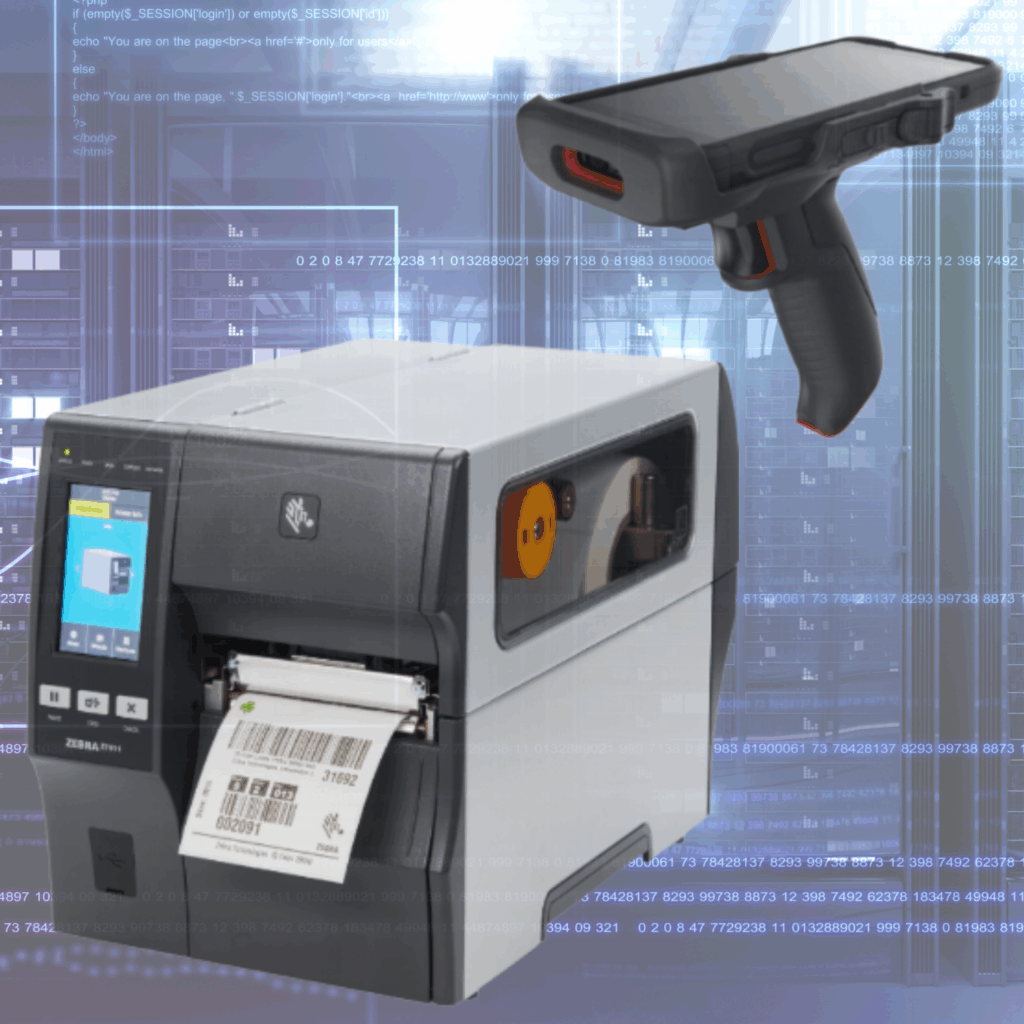
Instead, operators use handheld devices and mobile applications to capture information at the point where the activity occurs.
Depending on the business and its processes, yard staff may use mobile technology to:
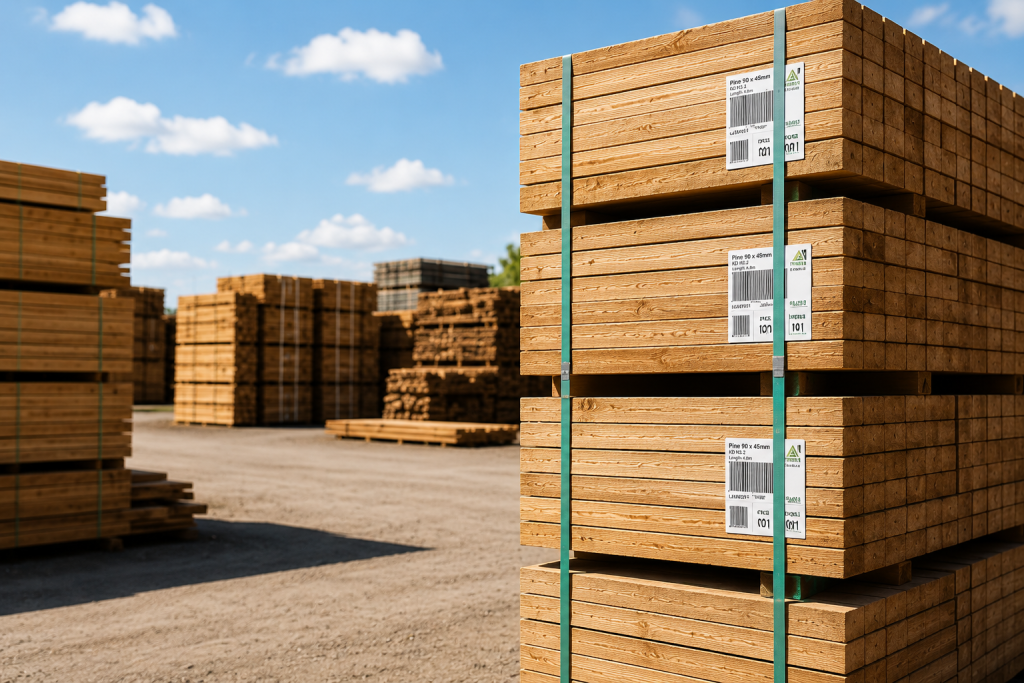
- Scan timber packs
- Confirm stock movements
- Update pack locations
- Record production transactions
- Complete order picking
- Confirm load picking
- Update inventory quantities
- Capture proof of delivery information
- Record dispatch activity
The information is entered once, directly at the source.
Once recorded, it becomes available to other teams across the business without waiting for paperwork to be delivered or manually re-entered.
This creates a more connected operational environment.
The office no longer has to wait for the yard to report what has happened. The yard becomes an active part of the business information system.
TimberSmart’s purpose-built applications show how these processes can be managed directly from handheld devices. Businesses can explore inventory, production, scanning, picking and proof of delivery workflows in the TimberSmart Demo Library.
How Real-Time Inventory Visibility Improves Operations
Real-time inventory visibility gives teams greater confidence in the information they use to make decisions.
When timber movements are recorded as they happen, the system provides a more accurate picture of current stock levels, pack locations, order status and operational activity.
This can improve performance across several areas of the business.
More Confident Sales Decisions
Sales teams need reliable inventory information when responding to customer enquiries and confirming orders.
When stock records are outdated, sales staff may need to contact the yard or manually check whether timber is available before committing to an order.
Real-time updates reduce this uncertainty.
Sales teams can work with greater confidence because they have access to current information about stock availability, allocation and status.
The TimberSmart Product Enquiry application allows sales, warehouse and field teams to access current inventory information from a mobile browser. A walkthrough is available in the TimberSmart Demo Library.
More Accurate Order and Load Picking
Printed picking documents can become outdated when inventory changes after they are produced.
Mobile picking workflows allow operators to work from current information and confirm each transaction as it is completed.
This helps reduce incorrect picks, missing packs and last-minute dispatch changes.
TimberSmart’s Order Picking and Load Picking applications allow yard teams to scan, reserve, validate and allocate packs directly against customer orders and planned loads.
See how these workflows operate in the TimberSmart Demo Library.
Better Dispatch Coordination
Dispatch teams rely on accurate information to prepare loads, allocate resources and meet delivery schedules.
When picking and stock movement information is updated immediately, dispatch teams gain clearer visibility of what has been completed, what is still outstanding and whether a load is ready to leave.
Digital proof of delivery can also extend this visibility beyond the timber yard. Signatures, delivery photos and evidence of pack condition can be captured from mobile devices and uploaded directly into TimberSmart.
Explore the Proof of Delivery application in the TimberSmart Demo Library.
Improved Production Visibility
Production managers need to understand how materials move through the operation.
Real-time transaction data provides a clearer view of material usage, completed processes and current inventory positions.
This allows production decisions to be based on current operational information rather than delayed paperwork or reports from the previous day.
Applications such as TimberSmart Smart Scan and Dynamic Scan allow operators to update pack information, treatment status, stock movements and production-related information directly from the yard.
View the Smart Scan and Dynamic Scan demonstrations in the TimberSmart Demo Library.
Less Administrative Work
Paper-based workflows often require the same information to be handled multiple times.
An operator records the activity. A supervisor checks it. An office employee enters it into the system. Someone else may later investigate discrepancies.
Capturing information digitally at the source reduces unnecessary data entry and allows administrative teams to focus on higher-value work.
The magazine feature explores these operational improvements in greater detail and explains how connected technology can support timber businesses from the yard through to the office.
Creating a More Connected Timber Business
The greatest value of moving the office into the yard comes from connecting departments that have traditionally operated through separate processes.
Sales, inventory, production, warehousing, dispatch and management all depend on accurate operational information.
When each team works from the same current data, the business can respond more effectively.
Orders can be confirmed with greater confidence. Stock movements are easier to trace. Loads can be prepared more accurately. Managers have better visibility of performance, and customers receive more reliable information.
This creates a smoother flow of information across the entire operation.
See how this shift is taking place across the timber industry in our full magazine feature, Why Modern Timber Operations Are Moving the Office into the Yard.

See TimberSmart in Action
TimberSmart provides purpose-built software and mobile solutions designed around the operational requirements of the timber industry.
From inventory management and stock movements to order picking, load planning and proof of delivery, TimberSmart helps businesses connect yard activity with the wider operation.
Explore the TimberSmart Demo Library to see individual applications and workflows in action.
To learn more about the industry trends driving the move toward connected timber yard operations, read the full magazine feature.
To discuss the challenges within your timber operation or arrange a personalised demonstration, contact the TimberSmart team.


